
Sergey Melnikov
Principal Investigator
I love superheroes. And I bet you do too. It’s just that my superheroes have nothing to do with Spider-Man, or Hercules, or Phoenix. My superheroes are 100% real, and nearly as underrated. My superheroes are the little invisible proteins that endow living cells with the superpower to stay alive in the absence of food, or water, or oxygen for extraordinarily long periods of time.
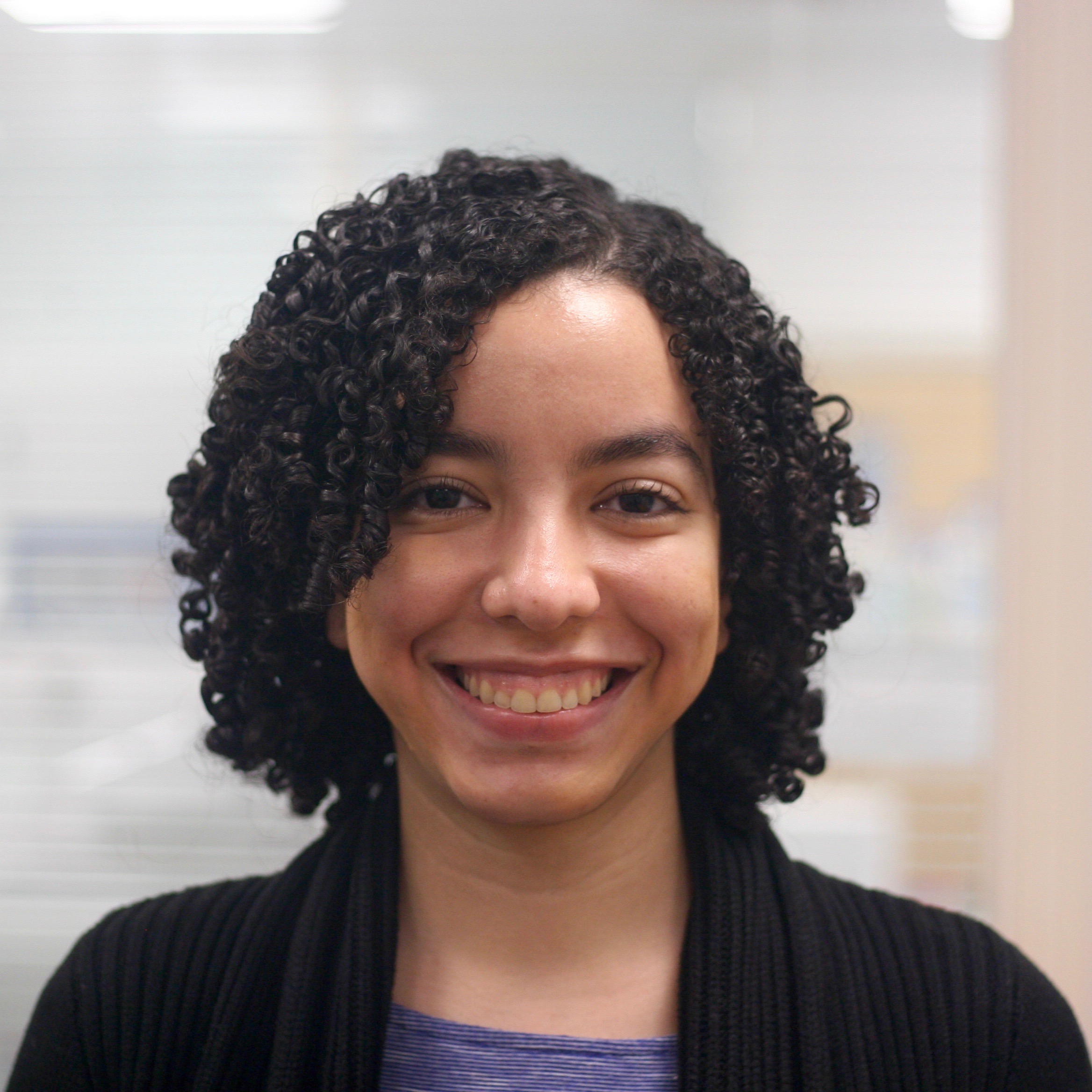
Karla Helena-Bueno
Postdoctoral Researcher
Karla is a scientist on a mission. Studying microbes that have an extraordinary capacity to thrive in hostile conditions, Karla aims to unveil their secrets and learn how to endow biological molecules, and possibly organisms, with the ability to tolerate extreme environments.
Email: karla.helena-bueno@ncl.ac.uk

Lewis I. Chan
PhD Student
Lewis (also known as Lewis the Great) is a scientist aiming to uncover the mechanistic diversity by which bacterial cells protect their most metabolically expensive molecules, the ribosomes.
Email: l.i.chan1@ncl.ac.uk
Alumni
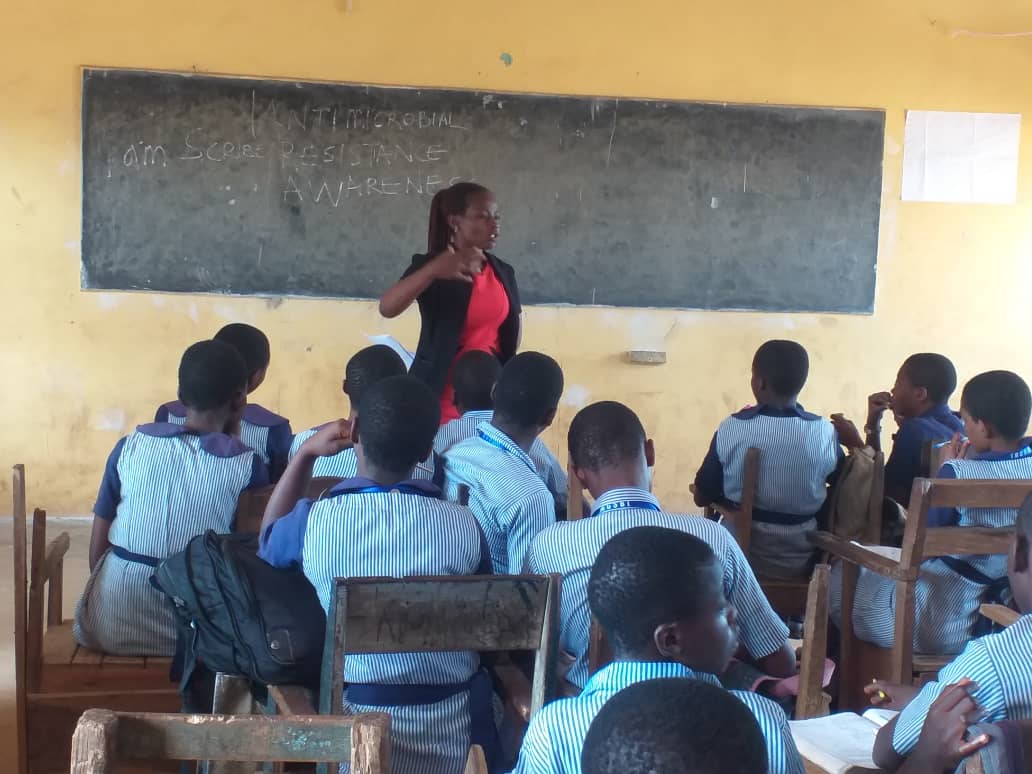
Chinenye Ekemezie
PhD Student from 2021 to 2025
Chinenye (aka Nenye) is a medical microbiologist who worked to help solve the emerging global problem of antimicrobial resistance. Her motivation was to improve global health by finding new sources of antimicrobials and new strategies to reduce the risk of resistance evolution — in short, to make drugs last longer.
Selected publications
Extensive natural variation in bacterial ribosomal drug-binding sites
Cell Reports, 2025 · Ekemezie & Chan et al. (co-first authors)
Ribosomes from certain bacteria possess divergent drug-binding sites compared to those of Escherichia coli, leading to natural evasion or hypersensitivity to antibiotics. Chinenye and co-first author Lewis Chan revealed the extent of this natural diversity across the bacterial tree of life, and built a web tool allowing researchers to compare ribosomal drug-binding residues between any species and E. coli.
Hibernating ribosomes as drug targets?
Frontiers in Microbiology, 2024 · Ekemezie & Melnikov
A first-authored review exploring whether ribosomes in their dormant, hibernating state — the form in which they spend a large fraction of their time in bacterial cells — could serve as novel targets for antimicrobial drugs.
Evolution of drug-binding residues in eukaryotic ribosomes
Cell Reports, 2025 · Chan & Ekemezie et al. (co-first authors)
Drugs that target eukaryotic ribosomes are becoming increasingly important as research tools and potential therapies against cancer and pathogenic eukaryotes. In this co-first-authored companion paper to their bacterial study, Chinenye and Lewis Chan traced the evolutionary history of ribosomal drug-binding sites across the eukaryotic tree of life, finding that some clades have diverged from the human ribosome more than humans have diverged from bacteria.

Charlotte Brown
PhD Student from 2021 to 2026
Charlotte is a computational scientist whose work focuses on understanding how hostile environments shape the evolution of biological molecules. Studying microbes that have been living in extreme environments for millions of years—or transiently exposed to these environments throughout their lifecycle—her goal was to unveil how consistent exposure of living species to hostile environments can nurture the development of adaptive mechanisms in their proteins and nucleic acids.
Selected publications
The evolutionary lifecycle of ribosome hibernation factors
bioRxiv, 2025 · Chan, Omae, Brown et al.
Analysing thousands of complete bacterial genomes, this study reveals that ribosome hibernation factors — long assumed to be conserved across bacteria — in fact follow an unapreciated evolutionary lifecycle: emerging as large ancient proteins, gradually shrinking, and going completely extinct in over 10% of studied species, only to be occasionally reinvented through gene transfers, de novo birth, or fusion with other stress-response proteins.
A conserved ribosomal protein has entirely dissimilar structures in different organisms
Molecular Biology and Evolution, 2024 · Schierholz, Brown & Helena-Bueno et al. (co-first authors)
Co-first-authored structural biology study revealing that a supposedly conserved ribosomal protein adopts dramatically different three-dimensional structures across organisms — a striking example of how evolution can radically reshape a molecule’s architecture while preserving its function.
Ribosomal proteins can hold a more accurate record of bacterial thermal adaptation compared to rRNA
Nucleic Acids Research, 2023 · van den Elzen, Helena-Bueno, Brown et al.
Contributing author on this study showing that ribosomal proteins carry more reliable molecular signatures of an organism’s preferred growth temperature than ribosomal RNA — with broad implications for predicting thermal adaptation from genome sequences.